Global SEO
Global SEO is an SEO topic covered in SeoWiki.
Key takeaways
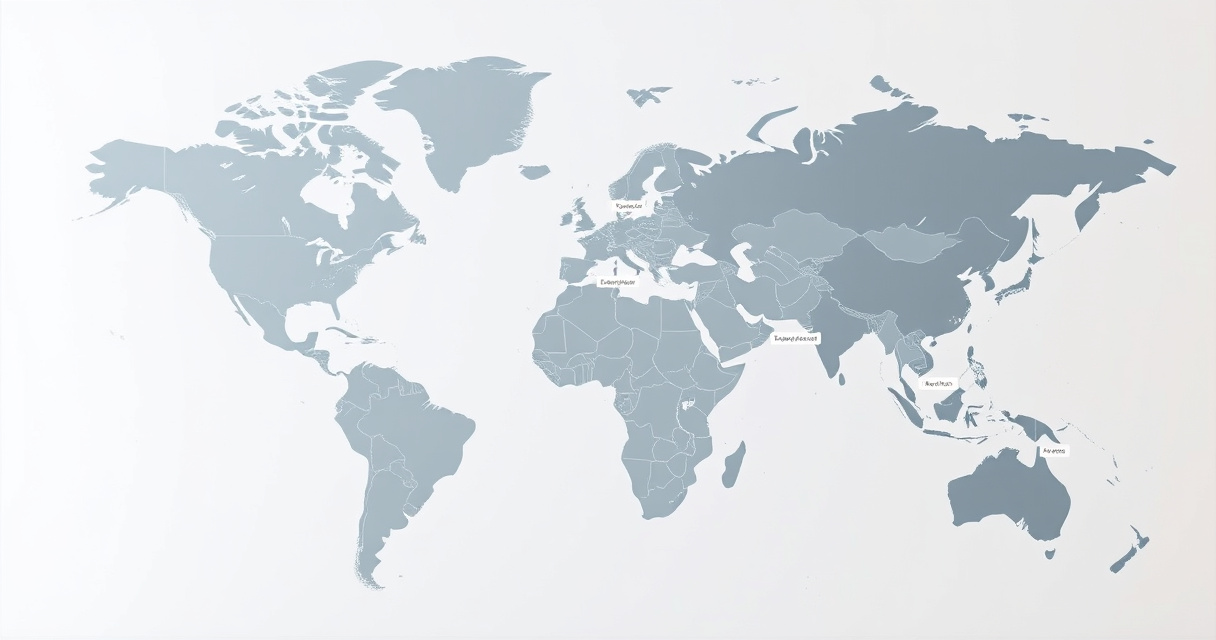
- Global SEO is also commonly called international SEO and focuses on ranking in multiple countries and languages.
- A core task is defining which countries and languages you are targeting before building pages or site structure.
- URL structure matters because search engines need a crawlable, consistent architecture for country or language targeting.
For SEO practitioners, global SEO determines whether international demand is captured efficiently or lost to poorly targeted pages, wrong-language results, and weak localization. It also helps teams scale traffic and conversions across markets by aligning URL structure, hreflang, content, and reporting by country and language.
Example
Global SEO is also commonly called international SEO and focuses on ranking in multiple countries and languages.
Quick start
- Define the goal for this topic.
- Check the live SERP format.
- Improve one page that matches the intent.
- Measure in Google Search Console.
Common mistakes
- Treating the topic as a one-time task
- Ignoring search intent
- Copying tactics without checking your SERP
Next step
FAQ
What is global SEO?
Global SEO (also called international SEO) is the practice of optimizing a website to rank in multiple countries and languages. It involves URL structure decisions, hreflang implementation, localized keyword research, and content adaptation.
What is the difference between global SEO and local SEO?
Global SEO targets multiple countries and languages, often with separate site versions. Local SEO focuses on a single geographic area (e.g., a city) and relies on Google Business Profile and local citations.
Which URL structure is best for global SEO?
There is no universal best option. ccTLDs (e.g.,.fr) signal strong geo-targeting but require more infrastructure. Subdirectories (e.g., example.com/fr/) are easier to manage. Subdomains (e.g., fr.example.com) are a middle ground. Choose based on business needs and resources.
Related topics
Sources
- Google Search Central — Primary source for hreflang, international targeting, indexing, and search best practices.
- Moz International SEO Guide — Clear practitioner overview of targeting countries/languages, URL structure, and localization.
- Ahrefs International SEO Best Practices — Useful checklist covering hreflang, URL structure, language targeting, and market-specific SEO work.
Reviewed by Lucía Marín, Founding editor.