What Is a Backlink?
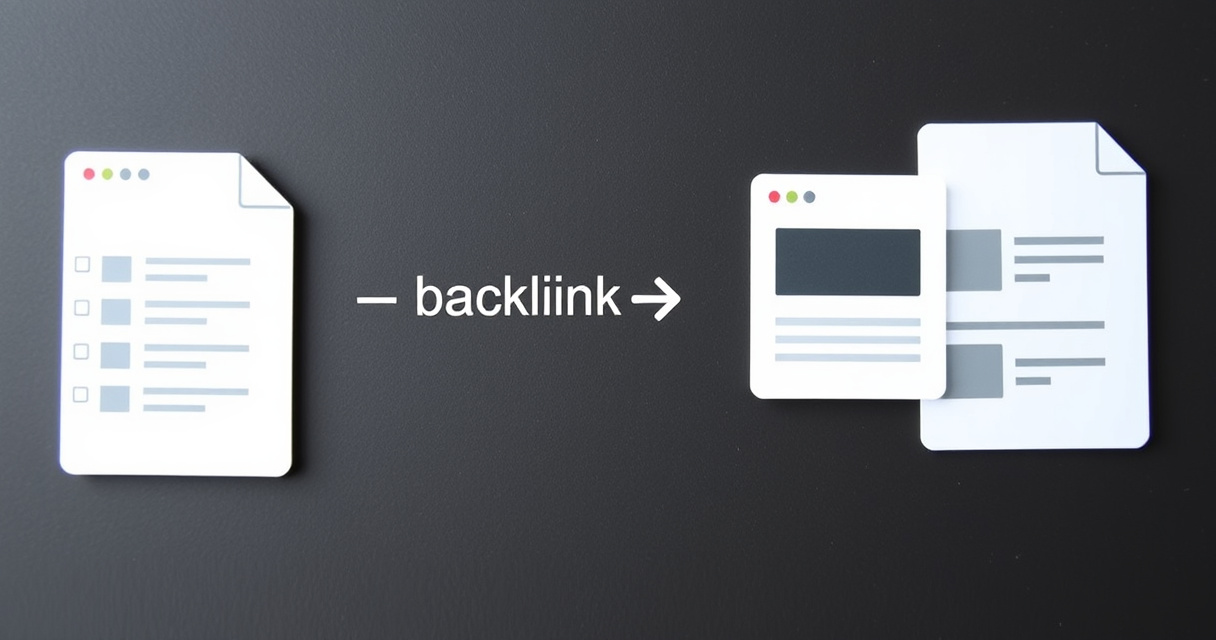
A backlink is a link from one website or web page to another website or page, used by search engines as a signal of trust and relevance.
Key takeaways
- A backlink is a link from another website to yours, acting as a trust signal for search engines.
- Quality, relevance, and context of the linking site matter far more than sheer numbers.
- Backlinks differ from internal links (within your site) and outbound links (you place to others).
- Use proper link attributes (dofollow, nofollow, sponsored, UGC) to align with search engine guidelines.
- Regularly audit your backlink profile to catch spammy links and seize new opportunities.
Search engines like Google use backlinks to evaluate a page's authority and relevance for search rankings.
Backlink Example
A gardening blog writes an article about 'Best Soil Types for Succulents.' To support their advice, they link to your product page on organic cactus mix. That link from their blog to your site is a backlink.
- Linking site: Gardening blog (gardeningblog.com)
- Linked page: Your product page (yoursite.com/cactus-mix)
- Anchor text: 'organic cactus mix'
When Should You Focus on Backlinks?
Invest in backlinks when:
- Your website is new and needs authority signals to compete in search results.
- You publish high-value content (guides, original research, tools) that deserves recognition.
- You want to drive targeted referral traffic from reputable industry sites.
- Competitors rank higher due to stronger link profiles.
What a Backlink Is Not
- It is not an internal link – internal links connect pages within the same domain (e.g., yoursite.com/page1 → yoursite.com/page2).
- It is not an external link you place out – links from your site to others are outbound, not backlinks.
- It is not a guarantee of ranking – low-quality or spammy backlinks can harm performance.
- It is not equal for all links – factors like relevance, authority, and link attributes (dofollow vs nofollow) change value.
Quick Start: How to Get Your First Backlinks
- Create linkable assets – write a definitive guide, original study, or free tool.
- Identify relevant websites – use search operators ('site:.edu inurl:resources') or tools like Ahrefs.
- Reach out politely – email site owners with a short pitch explaining why your resource adds value to their audience.
- Offer natural anchor text – use relevant keywords or brand names in the link text.
- Monitor and disavow – regularly check your backlinks in Search Console and disavow toxic links.
Common Backlink Mistakes
- Confusing backlinks with internal links. Backlinks always come from other domains.
- Assuming every backlink helps equally. A link from a spammy site can hurt more than help.
- Prioritizing quantity over quality. One link from a relevant, high-authority page can outperform dozens from low-quality directories.
- Treating paid or spammy links as earned editorial links. Search engines penalize paid links that pass PageRank without proper 'sponsored' attribution.
Next step
FAQ
What is a backlink in simple terms?
A backlink is a link from one website to another. It's like a vote of confidence that tells search engines your content is valuable.
Are backlinks still important for SEO in 2025?
Yes, backlinks remain a key ranking signal. However, quality and relevance matter more than quantity.
What is the difference between a backlink and an internal link?
A backlink comes from another website, while an internal link connects pages within the same site.
Related topics
Sources
- Google Search Central — Google’s official SEO starter guidance covers how links help Google discover and understand pages.
- Google Search Central — Explains how crawlable links help Google find content and why proper link attributes matter.
- Moz — Clear beginner-friendly SEO definition and explanation of backlinks as ranking signals.
- Search Engine Journal — Practical SEO explanation of backlinks, terminology, and common link-building uses.
- Backly — What Is Link Building? — Source-checked knowledge-base entry on link building basics.
Reviewed by Lucía Marín, Founding editor.